5 Key Defence Packaging Requirements for Safe and Compliant Transit
May 6, 2026
Delivering Packaging Solutions for Over 20 Years


As anyone in the defence industry knows, packaging for defence logistics equipment is about way more than protection. It’s also about ticking every box to help you secure and deliver on contracts too.
Meeting strict government and military requirements is essential to securing and delivering on defence projects. From regulatory standards and labelling requirements to environmental protection and durability, packaging plays a critical role in ensuring equipment arrives safely, performs as expected, and meets contract specifications.
We see it all the time - packaging that looks fine on paper, but doesn’t quite hold up in the real world.
And when you’re transporting high-value, sensitive equipment across long distances, rugged terrain, and harsh environments, there’s no room for error.
At SmartShield, we’ve been supporting defence, marine, and government organisations for over 20 years.
As an ISO 9001 certified and CGP (Controlled Goods) approved company, we provide packaging solutions designed to meet the following strict standards:
Here are five of the most important factors to consider when packaging defence equipment.
Defence equipment must withstand some of the most demanding handling and transport conditions.
In our experience, most damage doesn’t come from one big impact, it’s the repeated movement and vibration that causes problems over time.
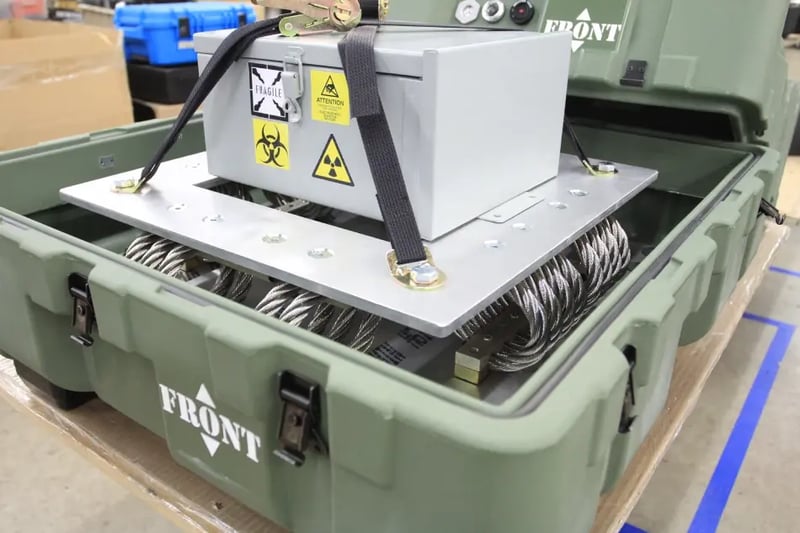
From rough terrain and repeated handling to long-distance shipping, packaging must absorb shock, reduce vibration, and prevent movement.
This can be achieved through:
Packaging must also be designed for extreme use cases, ensuring structural integrity during long-term storage and in demanding deployment environments.
Defence packaging has to also protect against a wide range of environmental risks. Such as:
These are often the risks that aren’t visible straight away, but can cause issues later if they’re not accounted for properly.
All of the above can compromise your equipment - particularly electronics and metal components. To mitigate the risks, successful packaging solutions include:
This level of environmental protection is particularly critical for marine and defence applications
You know it, we know it: compliance is non-negotiable in defence packaging.
It can feel like a lot to manage, but getting this right early saves time, cost, and headaches later on.
Packaging must meet strict regulatory and military standards to ensure safe handling, transport, and storage. Including:
In many cases, packaging must undergo testing such as drop, vibration, and compression testing to verify performance.
Designing packaging with compliance in mind from the outset helps avoid delays, failed shipments, and contract risks.
Accurate identification is another essential in defence logistics, especially when shipments are moving across multiple teams, locations, and borders.
Packaging must include clear, durable labelling to ensure correct handling, traceability, and compliance across complex supply chains.
This can include:
Clear labelling helps prevent errors, improves efficiency, and ensures equipment reaches the right place, in the right condition.
Defence packaging must deliver long-term value, not just single-use protection.
Durable, reusable solutions help reduce waste while improving cost efficiency over time.
These packaging solutions could be:
Another benefit? In many cases, these solutions also help organisations meet their sustainability targets while maintaining performance. We’re seeing more and more defence teams looking at this, not just for sustainability targets, but for long-term cost efficiency too.
At SmartShield, we deliver the following custom packaging solutions for the specific demands of defence environments:
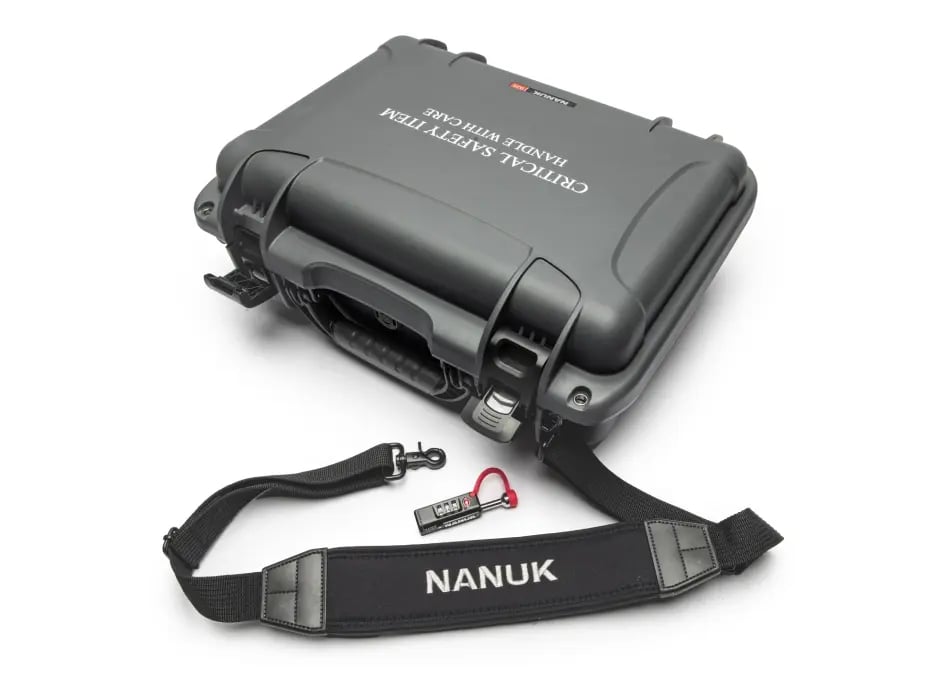
We supply trusted solutions from Nanuk, GemStar, and Pelican. These cases provide protection against dust, moisture, and impact, with features such as pressure equalisation, IP-rated sealing, and tamper-resistant latches. Combined with custom foam inserts, they deliver reliable protection for sensitive equipment.
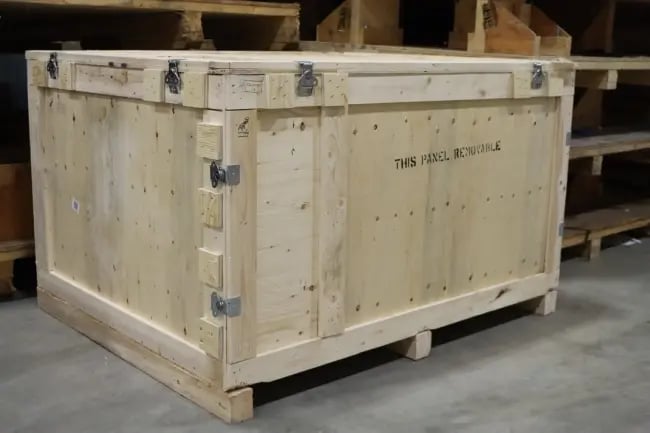
Our in-house manufactured, heat-treated wooden crates are designed for large, heavy, or high-value assets. They offer durability, reusability, and compliance with international shipping standards, and can be fitted with custom inserts and secure locking systems.
Hybrid solutions combine materials such as wood, corrugated cardboard, plastic, and foam to create compact, lightweight, and compliant packaging. These are ideal for meeting strict weight and size constraints while maintaining protection.
As we’ve seen, defence packaging isn’t just about protecting equipment.
It’s about ensuring compliance, supporting contract requirements, and delivering reliability at every stage of the supply chain.
It’s something we work on with our customers every day - and by partnering with SmartShield, you can focus on your project while we ensure your packaging meets the required standards.
If you’re working with sensitive or high-value defence equipment and need packaging that meets strict military and regulatory requirements, we’d love to help.
From custom foam inserts to fully engineered crates, cases, and hybrid solutions, we design packaging built for real-world defence environments.

Article written by SmartShield