Sustainable Packaging Without the Risk: 5 Smarter Approaches for 2026
January 16, 2026
Delivering Packaging Solutions for Over 20 Years


Sustainability in packaging is an expectation in 2026. As customers, regulators and supply chains become more environmentally conscious, packaging decisions are under greater scrutiny than ever.
But at SmartShield, we see one issue come up again and again: sustainable packaging only works if it still does its job.
Damaged products, returns and remanufacturing come with a heavy environmental cost of their own. So rather than chasing trends, the smarter approach is balancing material choice, protection, logistics and lifecycle impact.
Here are five practical ways to make packaging more sustainable in 2026, without increasing risk.
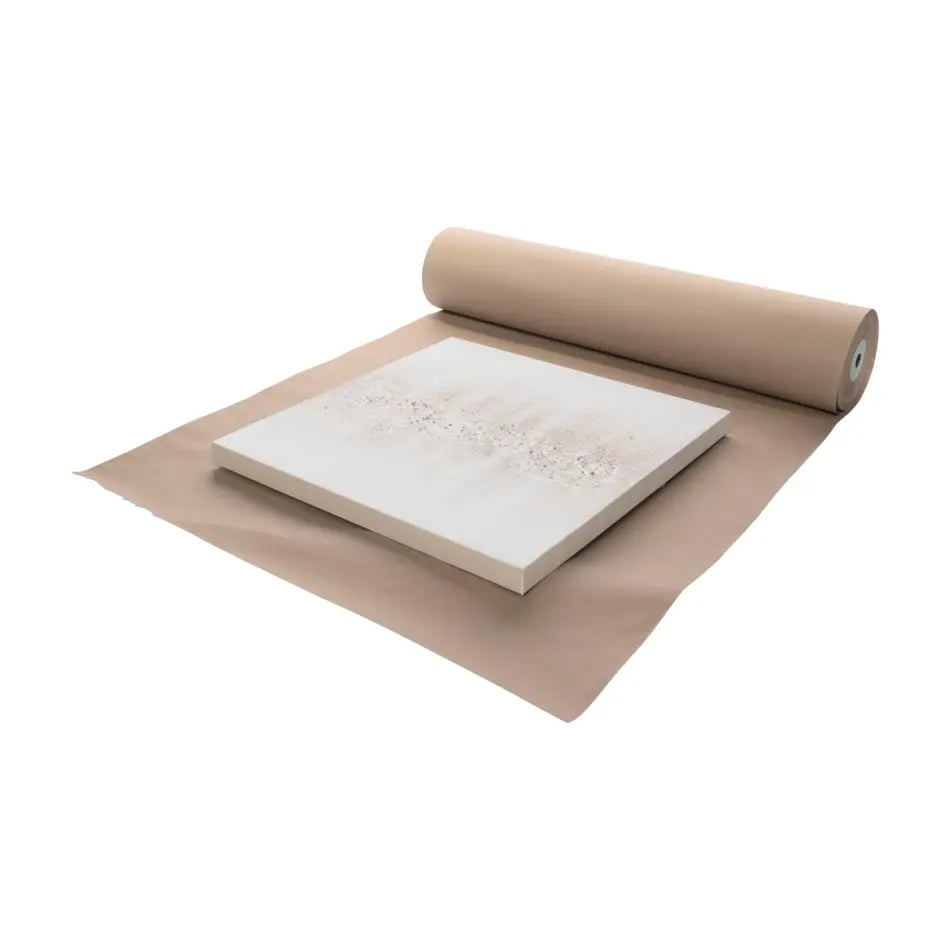
One of the most visible shifts in recent years has been the move away from plastic-based consumables.
Where protection requirements allow, many businesses are now choosing paper-based void fill such as recycled kraft, crumpled paper and newsprint in place of traditional plastic options.
Other sustainable packaging options include:
All of these options can help a company reduce its plastic packaging use when matched to the right application. However, the suitability of each solution will depend on what the product will experience in transit.
Foam packaging often gets labelled as “unsustainable,” but that view misses important nuances.
For a start, more environmentally conscious foam options are available in 2026, including:
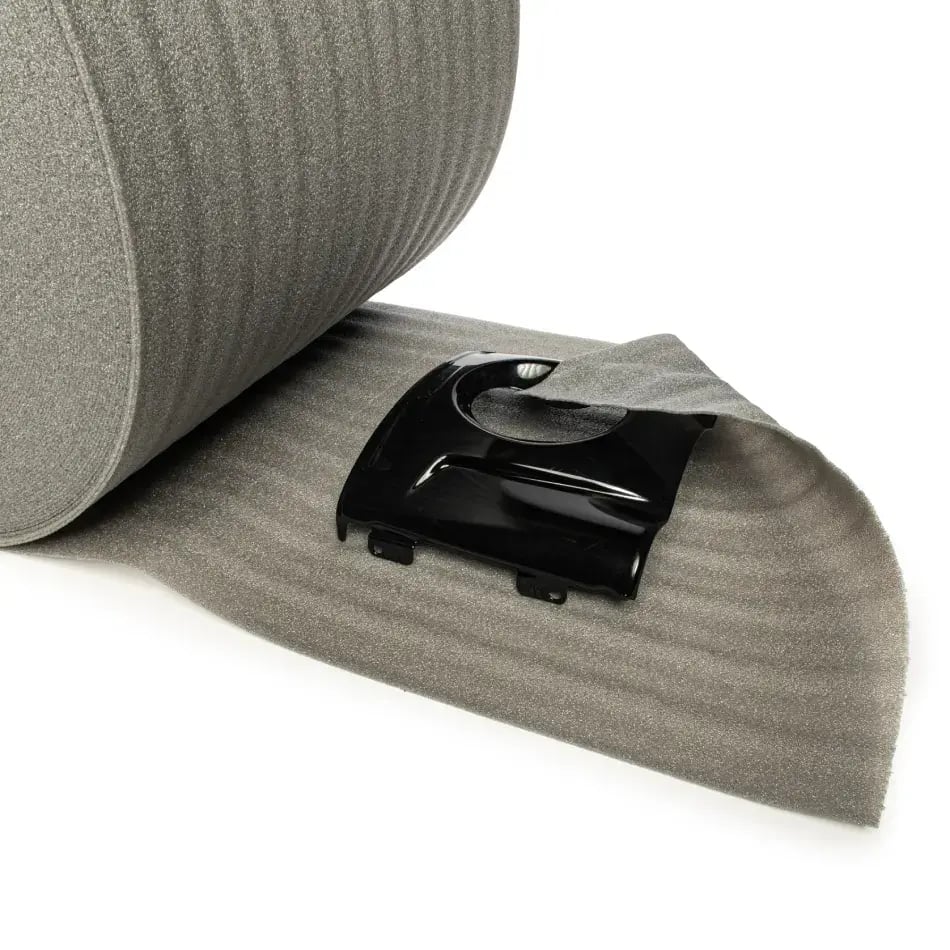
SmartShield’s ECO Poly Foam rolls, for example, contain approximately 65% recycled content, which offers impact protection while reducing virgin material use.
In addition to this, we also need to consider how sustainability isn’t just about materials, but outcomes.
In many cases, a well-designed foam solution inside a cardboard box will dramatically reduce damage rates, which, more often than not, is way more sustainable than replacing damaged products, repackaging them, and shipping again.
In some applications, foam can be replaced entirely with paper-based protection.
Options such as:

These materials can provide effective shock and vibration protection while remaining recyclable and lightweight. Honeycomb and moulded pulp, in particular, are strong alternatives to expanded polystyrene when part geometry and weight allow.
The key is matching the material to the risk profile of the product.
As we’ve already touched on, one of the most overlooked sustainability issues in packaging is product damage.
When a product is damaged in transit:
Billions of dollars of damaged products are discarded every year. In this context, the “most sustainable” packaging is the one that prevents failure in the first place, even if it includes materials like foam.
Right-sizing packaging, reducing void space, and improving protection can also lower freight volume: another environmental win.
Beyond materials, sustainability improves dramatically when packaging is designed with its full lifecycle in mind.
This looks like:
Small design decisions can make a big difference to what happens after the product is unpacked.

There’s no universal “green” packaging solution, and anyone claiming otherwise is oversimplifying a complex challenge.
The most sustainable packaging strategy is one that:
At SmartShield, sustainability isn’t about ticking boxes, it’s about designing packaging that performs responsibly, end to end.
Yes, when designed correctly. In sectors such as aerospace, defence, medical, and electronics, sustainability must never compromise protection or compliance. The most effective solutions balance recycled or recyclable materials with proven protective performance.
No. While some foams are less environmentally friendly, modern options with recycled content or reusable designs can significantly reduce overall environmental impact by preventing product damage and waste.
In some cases, yes. Paper-based solutions such as honeycomb, corrugated wrap, or moulded pulp can offer excellent protection, depending on product weight, fragility, and transit conditions.
The right solution depends on your product’s risk profile, supply chain, and handling environment. Testing and packaging design expertise are essential to ensure sustainability improvements don’t increase failure rates.
Not necessarily. While material costs can vary, reductions in damage, returns, freight volume, and waste often result in lower total costs over the full packaging lifecycle.
If you’re reviewing your packaging in 2026, we’re always happy to help you assess where improvements can be made - without compromising protection.

Article written by SmartShield